
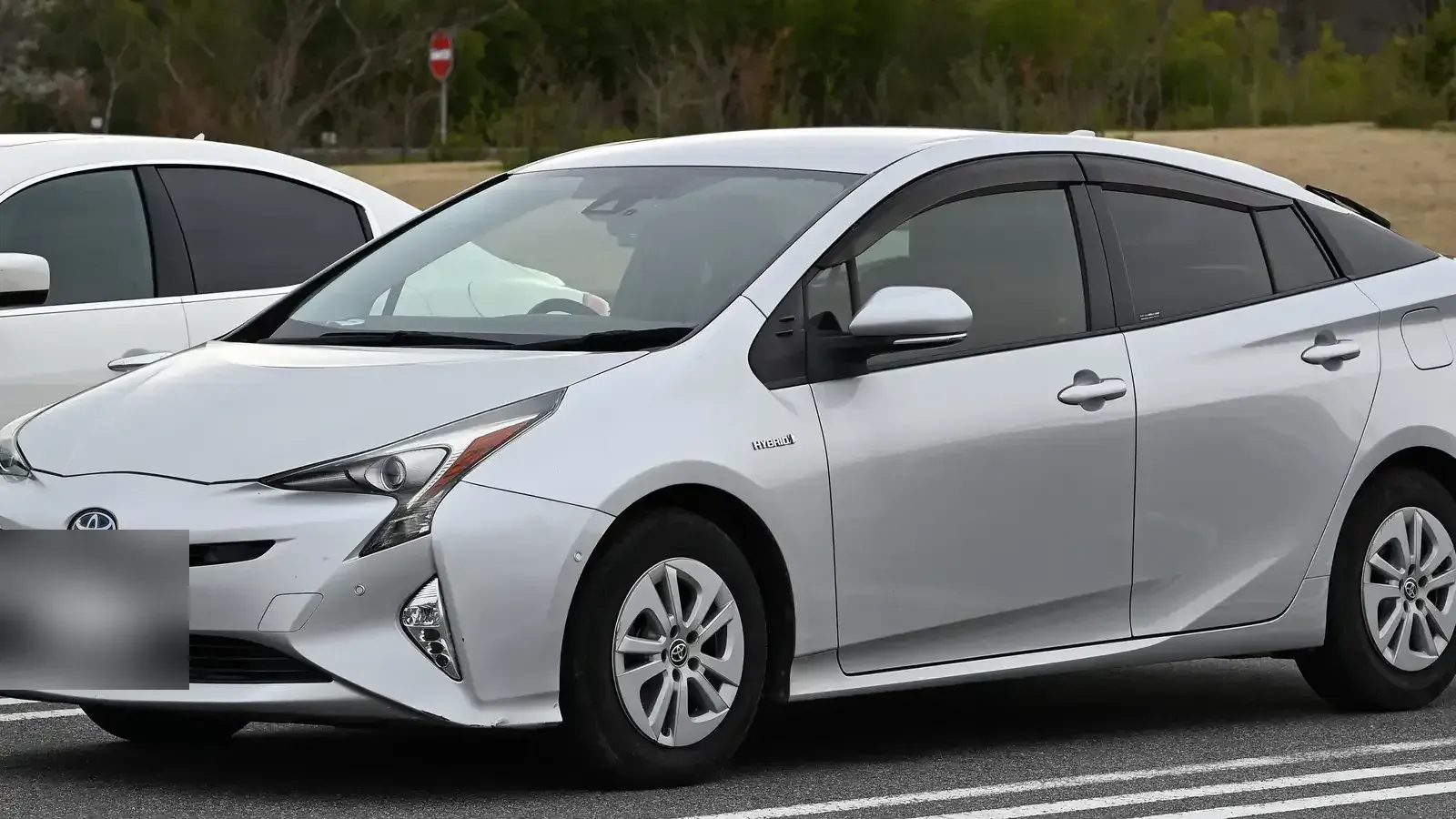
New Zealand registered 8,468 used imports in September 2026, up 13.6 per cent on September 2025 and the strongest September for used passenger imports since 2023, according to Autotalk’s analysis of NZ Transport Agency data. Japanese hybrids led it. The month’s demand was bought on a New Zealand dollar that was still stronger against the yen than a year earlier — but it has fallen about 7 per cent from its July high, and that part reaches the next car you import. This report is written for the dealer first.
The short version
- 8,468 used imports in September 2026, up 13.6%. Passenger imports were 8,005. The MTA’s registration dashboard puts used light vehicles at 8,407, up 14.5%.
- Toyota took 39.5% of used passenger imports. The Aqua, Prius and Nissan Note were the three most-registered models.
- The Nissan Leaf rose 70.9% to 188 registrations, the most-registered used electric import.
- NZD/JPY averaged 90.21 in September 2026 against 87.04 a year earlier, derived from ECB reference rates: about 3.6% more yen per New Zealand dollar.
- But it fell from 95.18 on 30 July to 88.46 on 8 October — roughly 7% — so a car bid on now costs more in New Zealand dollars than one bid on in July.
How many used cars did New Zealand import in September 2026?
Autotalk reports 8,468 used import registrations in September 2026, up 13.6 per cent from 7,455 in September 2025, using NZ Transport Agency data. Passenger imports were 8,005, up 13.2 per cent, the highest September since 2023, when 8,921 were registered. For the first nine months of 2026, used passenger registrations were 68,556, 6.1 per cent ahead of the same period in 2025.
8,468
Used imports, September 2026
+13.6%
On September 2025
68,556
Used passenger, January–September
39.5%
Toyota's share of used passenger
188
Nissan Leaf, up 70.9%
228
Toyota Hiace, used commercial
The figure is consistent with the Motor Trade Association’s vstat dashboard, which shows 8,407 used light-vehicle imports, up 14.5 per cent. The two counts define the vehicle classes slightly differently, so we quote Autotalk’s for the detail and the MTA’s as the cross-check.
| Model | Registrations | Change on September 2025 |
|---|---|---|
| Toyota Aqua | 915 | +21.0% |
| Toyota Prius | 502 | +5.2% |
| Nissan Note | 446 | +32.3% |
| Toyota Corolla | 421 | +2.7% |
| Subaru Impreza | 242 | +19.2% |
| Nissan Serena | 239 | +50.3% |
Most-registered used passenger imports in New Zealand, September 2026 (Autotalk, from NZTA data)
What has the New Zealand dollar done against the yen?
Two different things, depending on the comparison. Against a year ago the New Zealand dollar is stronger: NZD/JPY averaged 90.21 in September 2026 against 87.04 in September 2025, derived from the European Central Bank’s daily reference rates. Against the summer it is weaker: the pair peaked at 95.18 on 30 July 2026 and reached its 2026 low of 88.46 on 8 October. It stood at 90.00 on 27 October.
This is the destination side of the trade. You bid in yen, so a weaker New Zealand dollar makes the same Japanese car dearer in your own money — and GST at the border is assessed on that New Zealand dollar value, so the tax follows the car up. We report the level and the direction; we do not forecast it.
A ¥1,500,000 Japanese hybrid, converted at three NZD/JPY levels
Purchase price only, before freight, inspection, GST and any Clean Vehicle Standard charge
Two caveats belong next to that table. A weak yen pulls more overseas bidders into Japanese auctions, which pushes prices up in yen, so part of any currency gain is lost before the car is bought. And the rate on your quote is not the rate on the day you pay: the gap between them is a real risk, and our report on the customs exchange rate on your duty bill explains why the border uses a rate of its own.
Figures are indicative and for guidance only. Actual VRT is charged on Revenue’s OMSP and varies by model, year and mileage. Always confirm current rates and your specific case with Revenue.ie before committing to a purchase.
Does this apply to you?
It applies to New Zealand dealers and private buyers importing used cars from Japan, which is where the Aqua, Prius, Note and Leaf on that table come from. It also applies to anyone pricing a New Zealand-bound car in yen this quarter. Is the car still legal to import? Nothing in these figures changes that: entry certification, emissions and frontal impact evidence still apply as before.
The Clean Vehicle Standard charges that apply at the border were not changed this month. The Government confirmed on 21 August 2026 that the standard stays, with new targets from 1 January 2028; our report on the 2026 Clean Car Standard charges on used imports covers what each car pays.
What should a dealer do with these numbers?
Stock what is registering. Hybrids from Toyota and Nissan made up most of the top six, and the Serena and the Leaf grew fastest. Rising volume is a demand signal, but it is also competition: every dealer reading the same table is bidding on the same Aquas. A rising market is a reason to be stricter on grade and price, not looser.
On currency, the honest position is that NZD/JPY in late October sits near its 2026 low and above where it was a year ago. Neither fact tells you where it goes next. Quote, bid and pay inside a short window so the rate you priced on is close to the rate you pay. When you have the units in mind, you can send a dealer inquiry and see the landed figure per unit before you commit.
What we could not confirm
On the record
- 8,468 used imports in September 2026, up 13.6% (Autotalk, from NZTA data, 1 October 2026).
- 8,407 used light vehicles, up 14.5% (MTA vstat dashboard).
- NZD/JPY levels derived from ECB euro reference rates for the yen and the New Zealand dollar.
Still not established
- Japan’s exact share of used imports. The registration figures report makes and models, not the country of export.
- Why demand rose. Higher fuel prices and the reduced Clean Vehicle Standard charges are both plausible; the registration data does not say.
Sources
- Used imports climb 13.6% for strongest September since 2023 — Autotalk
- NZ vehicle registration statistics (vstat) — Motor Trade Association
- Euro foreign exchange reference rates (JPY, NZD) — European Central Bank
- Government to retain Clean Vehicle Standard — New Zealand Government (Beehive)
- Used vehicles from anywhere else — complying with vehicle standards — NZ Transport Agency Waka Kotahi