
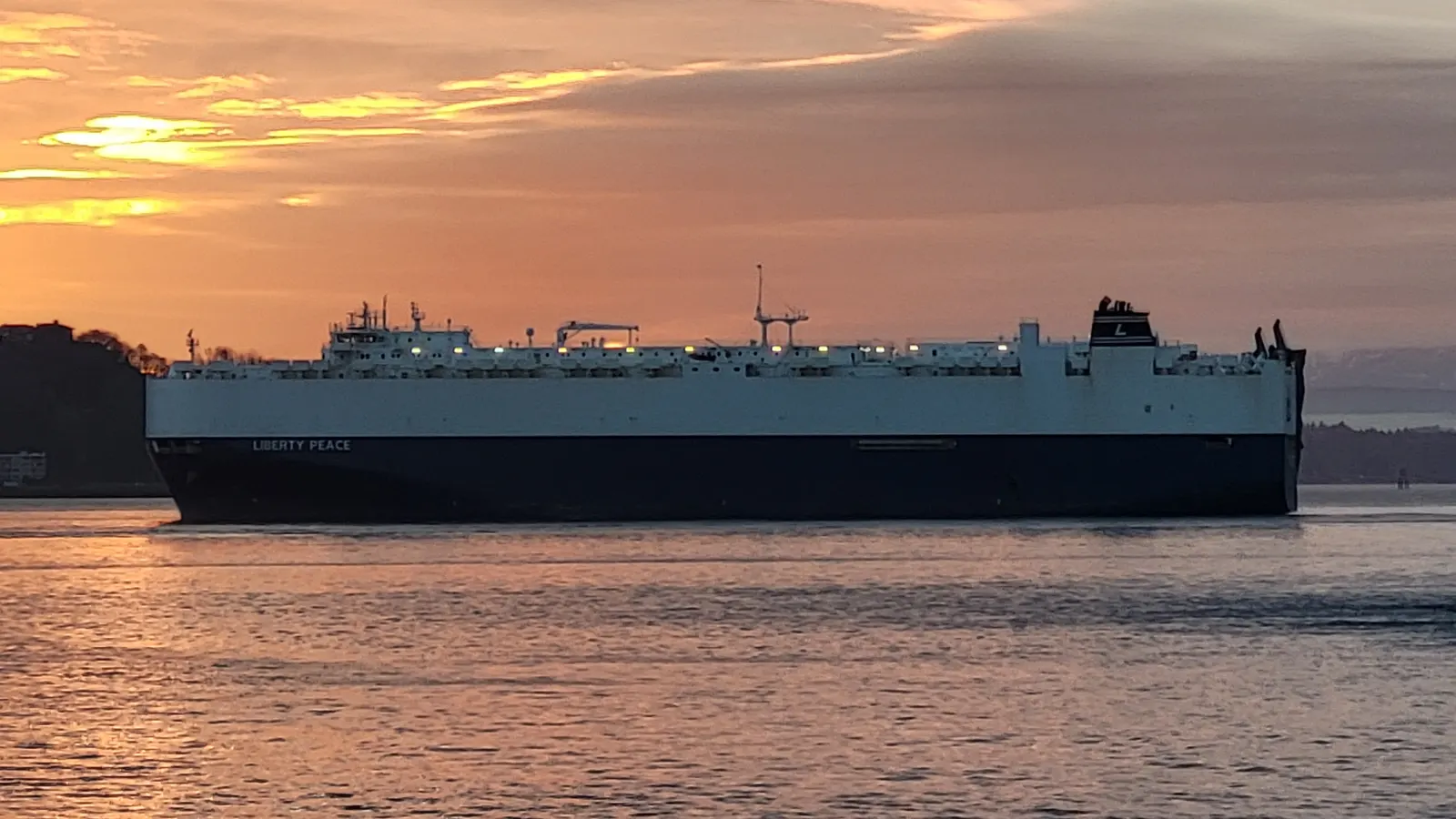
Soil in a wheel arch is not a cosmetic problem. To a biosecurity authority it is a way for pests, seeds and diseases to cross a border, and a car carrying it can be held, treated or refused at the importer's cost.
The short version
- New Zealand requires biosecurity clearance; used cars from Japan are cleaned by an MPI-approved system there.
- Jamaica has required used vehicles to be sanitised before shipment since June 2019.
- Sri Lanka's licence guidelines ask for a certificate that the car is free of mud and soil.
- Cleaning at source is cheaper and quicker than treatment at the border.
Biosecurity, in one paragraph
Countries that protect their agriculture and environment require imported vehicles to be free of soil, plant material and insects. Some require cleaning by an approved system in the exporting country, some require a certificate, and some inspect on arrival. A car found contaminated is cleaned or treated before release, at the importer's expense, and can lose its place in the port queue while that happens.
Why countries require clean vehicles
A used car has been driven through mud, parked under trees and stored outdoors. Seeds, soil, snails and insects travel with it. New Zealand's Ministry for Primary Industries gives biosecurity clearance only when it is satisfied that the risk associated with the vehicle has been managed, which is why cleaning is built into the export process from Japan.
Where the contamination hides
- Wheel arches, tyres and the underbody.
- Chassis rails, crossmembers and the spare-wheel well.
- The engine bay and air intakes.
- The boot, floor mats and under the seats.
- Door seals and the gaps around the windscreen.
What does your country require?
| Country | What its authority requires |
|---|---|
| New Zealand | MPI biosecurity clearance; used passenger vehicles from Japan cleaned by an MPI-approved system in Japan |
| Jamaica | All used motor vehicles sanitised prior to shipment, since June 2019 (Trade Board) |
| Sri Lanka | For licensed imports, a certificate that the vehicle is free of mud and soil (Import and Export Control Department) |
Choose your country for its full inspection and cleaning rules and the official sources.
| Country | Inspection before or after shipping |
|---|---|
| No pre-shipment inspection is required; the checks happen after the car lands. | |
| No pre-shipment inspection is required; the car is examined at an NCTS centre when it is registered. | |
| A used car from outside the EU needs a Single Vehicle Approval (SVA) certificate confirming it can be registered in the EU and stating its CO₂ emissions. | |
| No pre-shipment inspection is required; the car passes an MOT and gets a CO₂ certificate from the Road Transport Department before registration. | |
| Every used vehicle is inspected for roadworthiness by a KEBS-appointed agent in the country of export, and arrives with a Certificate of Roadworthiness. | |
| Used vehicles are checked against Tanzanian standards by the Tanzania Bureau of Standards — before shipment where TBS has an agent in the exporting country, or on arrival where it does not. | |
| Every used vehicle needs a Certificate of Roadworthiness from the country of export under the UNBS pre-export verification programme. | |
| MRA's customs page sets no pre-shipment inspection; the car is examined for registration in Mauritius. | |
| A used vehicle from the USA, the UK, Japan, Singapore or the UAE needs a pre-shipment inspection certificate, and every used vehicle must be sanitised before shipment. | |
| Confirm with the Trade Licence Unit whether your vehicle needs an inspection certificate before it ships. | |
| Every imported used car has a border inspection by an NZTA-approved organisation and must be cleared for biosecurity by MPI. | |
| For a licensed import, the guidelines require an assessment report from an accepted institution in the exporting country and a certificate that the car is free of mud and soil. |
Choose a country for its full rules and the official sources, checked 27 October 2026.
Inspection before or after shipping · United Kingdom
No pre-shipment inspection is required; the checks happen after the car lands.
- Vehicle approval (usually IVA) for a car under 10 years old, carried out by DVSA in the UK.
- An MOT for a car over three years old, before registration.
Sources for United Kingdom, checked 27 October 2026:
- Importing vehicles into the UK — GOV.UK
- Vehicle approval — GOV.UK (DVSA)
- Vehicle registration: new registrations — GOV.UK (DVLA)
Inspection before or after shipping · Ireland
No pre-shipment inspection is required; the car is examined at an NCTS centre when it is registered.
Sources for Ireland, checked 27 October 2026:
Inspection before or after shipping · Malta
A used car from outside the EU needs a Single Vehicle Approval (SVA) certificate confirming it can be registered in the EU and stating its CO₂ emissions.
Sources for Malta, checked 27 October 2026:
- SOPV 02 — Registering and licensing of new and used motor vehicles (January 2026) — Transport Malta
- Registering a vehicle — documents required — Transport Malta
Inspection before or after shipping · Cyprus
No pre-shipment inspection is required; the car passes an MOT and gets a CO₂ certificate from the Road Transport Department before registration.
Sources for Cyprus, checked 27 October 2026:
- Running and growing your business — registering a vehicle — Business in Cyprus (Government of Cyprus)
- Road Transport Department — Ministry of Transport, Communications and Works
Inspection before or after shipping · Kenya
Every used vehicle is inspected for roadworthiness by a KEBS-appointed agent in the country of export, and arrives with a Certificate of Roadworthiness.
Sources for Kenya, checked 27 October 2026:
- Importation procedure for motor vehicles — Kenya Revenue Authority
- KEBS: only newer vehicles to be allowed (report of the KEBS notice of 17 November 2025) — Business Today (press report of the official notice)
Inspection before or after shipping · Tanzania
Used vehicles are checked against Tanzanian standards by the Tanzania Bureau of Standards — before shipment where TBS has an agent in the exporting country, or on arrival where it does not.
- TRA will not register the car until TBS has issued its roadworthiness certificate.
Sources for Tanzania, checked 27 October 2026:
- Tanzania Bureau of Standards — TBS
- Central Motor Vehicle Registration System — guide — Tanzania Revenue Authority
Inspection before or after shipping · Uganda
Every used vehicle needs a Certificate of Roadworthiness from the country of export under the UNBS pre-export verification programme.
- UNBS states that the certificate is valid for twelve months from issue; a vehicle with an expired one goes to destination inspection instead.
Sources for Uganda, checked 27 October 2026:
- The UNBS (Inspection and Clearance) Regulations, 2022 — Uganda National Bureau of Standards
- Notice on certificates of roadworthiness for used motor vehicles — Uganda National Bureau of Standards
Inspection before or after shipping · Mauritius
MRA's customs page sets no pre-shipment inspection; the car is examined for registration in Mauritius.
Sources for Mauritius, checked 27 October 2026:
- Customs — motor vehicles — Mauritius Revenue Authority
- National Land Transport Authority — NLTA
Inspection before or after shipping · Jamaica
A used vehicle from the USA, the UK, Japan, Singapore or the UAE needs a pre-shipment inspection certificate, and every used vehicle must be sanitised before shipment.
- The Trade Board rejects an import-permit application for a used vehicle without its pre-shipment inspection certificate.
Sources for Jamaica, checked 27 October 2026:
- Pre-shipment inspection criteria (February 2023) — Trade Board Limited
- Motor vehicle — general information — Trade Board Limited
Inspection before or after shipping · Trinidad and Tobago
Confirm with the Trade Licence Unit whether your vehicle needs an inspection certificate before it ships.
Sources for Trinidad and Tobago, checked 27 October 2026:
- Trade Licence Unit — Ministry of Trade, Investment & Tourism
Inspection before or after shipping · New Zealand
Every imported used car has a border inspection by an NZTA-approved organisation and must be cleared for biosecurity by MPI.
- Cars exported from Japan go through an MPI-approved biosecurity system in Japan, and the border inspection can be done there before shipping.
- From any other country, the border inspection is arranged in New Zealand before Customs clearance is given.
Sources for New Zealand, checked 27 October 2026:
- Step 3: Border inspection — NZ Transport Agency Waka Kotahi
- Importing vehicles, machinery, and parts — Ministry for Primary Industries
Inspection before or after shipping · Sri Lanka
For a licensed import, the guidelines require an assessment report from an accepted institution in the exporting country and a certificate that the car is free of mud and soil.
Sources for Sri Lanka, checked 27 October 2026:
- Importation of a used motor vehicle under import control licence — Department of Import and Export Control
Clean at source, not at the border
A car cleaned before export, by the method the destination accepts, arrives ready to clear. A car cleaned or treated at the destination waits in port, accrues port charges and may need re-inspection. Ask for the cleaning certificate with the export documents, and check it names the car's chassis number. The certificate belongs in the file described in the car import documents checklist, alongside any pre-shipment inspection.
New Zealand's own import process is covered in importing cars from New Zealand as a dealer. With cars ready to ship, you can send a dealer inquiry. The full process is in the dealer's guide to sourcing cars overseas.